First-Time Homebuyer Programs in California: What's Actually Available in 2026
Dream For All 2026 registration closes March 16. Register now, but always have a backup plan. Here's your complete guide to down payment assistance programs actually available to California buyers.

Licensed Mortgage Broker

If you're a first-time homebuyer in California right now, you've probably heard about the Dream For All program. Maybe a friend mentioned it, maybe you saw something on Instagram, maybe your realtor told you to "look into it."
And you should. But here's the thing most people won't tell you - Dream For All is essentially a lottery. A really good lottery with life-changing prizes, but a lottery nonetheless.
So yes, absolutely register. But you also need a backup plan. Because there are other programs out there - some you've probably never heard of - that can help you get into a home even if Dream For All doesn't work out.
I'm Matt Mayo, a mortgage broker with United American Mortgage here in Long Beach. I work with over 150 lending partners, which means I have access to down payment assistance programs that most banks and direct lenders simply can't offer you. And that matters more than you might think.
Let me walk you through what's actually available right now.
Dream For All 2026: Register Now, But Plan Beyond It
California's Dream For All Shared Appreciation Loan is the headliner, and for good reason. The program offers up to 20% of your purchase price - capped at $150,000 - toward your down payment and closing costs. That's a massive amount of help.
Here's how it works: when you eventually sell your home, you repay the original assistance amount plus a share of your home's appreciation. It's a trade-off, but for many first-time buyers, it's the difference between owning and continuing to rent.
The registration window is open right now. The portal opened February 24, 2026 and closes March 16, 2026 at 5:00 p.m. PST. This is not first-come, first-served - CalHFA uses a randomized drawing to select recipients after the window closes.
Here's what you need to know about eligibility:
- At least one borrower must be a first-generation homebuyer (haven't owned in 7 years, and parents don't currently own in the U.S.)
- At least one borrower must be a current California resident
- All borrowers must be first-time homebuyers (no ownership in 3 years)
- Your combined household income must meet CalHFA's county-specific limits
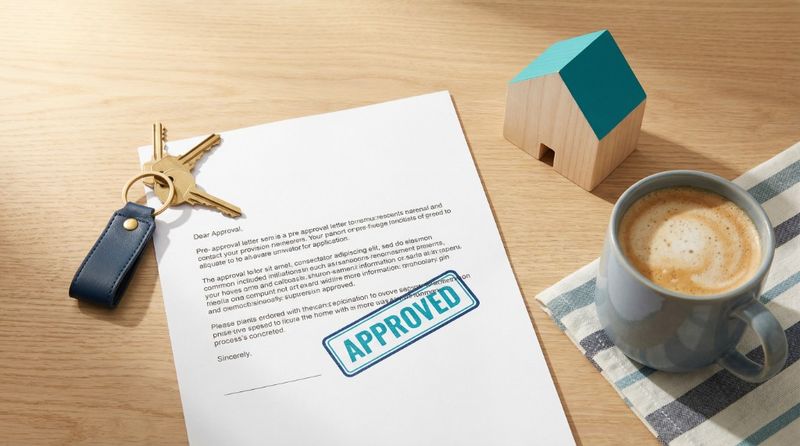
- You'll need a pre-approval letter from a CalHFA-approved lender before submitting
CalHFA expects to have between $150 million and $200 million in funding for 2026. That sounds like a lot - and it is - but demand is enormous. The program helped about 2,182 buyers when it launched in 2023 and over 1,700 in 2024. Tens of thousands apply.
My advice to every client: register. Get your name in. But let's also have a real conversation about what we do if your name doesn't get drawn. Because there are some genuinely good options that don't require winning a lottery.
Beyond Dream For All: Other CalHFA Programs
CalHFA runs several other assistance programs that fly under the radar because Dream For All gets all the attention.
CalHFA MyHome is a deferred-payment junior loan that can help with your down payment or closing costs. It's not as flashy as Dream For All, but it's not a lottery either - it's available on a continuous basis as long as funding exists.
CalReady and CalPlus Access are additional CalHFA programs designed to help moderate-income borrowers. They work alongside conventional or FHA first mortgages and provide assistance that can make the difference between qualifying and not.
These programs have their own income limits, property requirements, and eligibility criteria. The details matter, and they change. That's part of why having a broker who stays on top of this stuff is valuable - I'm not going to send you down a path that dead-ends.
Down Payment Assistance Programs Most People Don't Know Exist
Here's where it gets interesting. Beyond the state-level CalHFA programs, there's a whole world of lender-specific DPA programs that are only available through certain channels. As a broker, I have access to several of these - and some of them are genuinely impressive.
FHA-Based DPA Programs
Several of my lending partners offer FHA loans paired with down payment assistance that covers your entire 3.5% down payment - and sometimes more.
Some of these programs provide a forgivable second lien, which means you receive the assistance as a subordinate loan that requires no monthly payments and carries a 0% interest rate. After a set period, the balance is forgiven entirely. You never pay it back.
Others offer a repayable second lien - you do make monthly payments, but the combined structure still gets you into a home with little to no money out of pocket. The trade-off is typically a slightly higher interest rate on the second lien compared to your first mortgage.
And there are even programs that go beyond 100% financing - providing up to 101.5% combined loan-to-value, where the extra 1.5% goes directly toward your closing costs.
What makes these different from the CalHFA programs? A few things:
- No income restrictions on some programs (that's rare and powerful)
- Credit scores as low as 580-600 depending on the program
- Not a lottery - if you qualify, you qualify
- Available nearly nationwide, not just California
- No first-time homebuyer requirement on most programs
The catch? These programs are only available through brokers and lenders who have relationships with the specific wholesale lenders offering them. If you walk into a big bank, they won't have these. That's not a sales pitch - it's just how the mortgage industry works.
Grant Programs
Some programs I work with offer outright grants - 1% to 3.5% of your loan amount - that don't need to be repaid at all (as long as you stay in the home for a minimum period, typically six months). These are true grants, not loans. They're applied at closing and reduce what you need to bring to the table.
Grant programs often have income limits tied to the Area Median Income (AMI) for the county where you're buying. But the limits are more generous than you might expect - many go up to 160% of AMI, which covers a large portion of working families in California.
Low Down Payment Conventional Programs
Not everything has to be FHA. There are conventional loan programs that allow as little as 0% down - and some of those don't require mortgage insurance at all.
Some of these programs have income limits, but others apply to certain census tracts with no income limits at all. If you're buying in the right area, they can save you hundreds of dollars a month compared to a traditional conventional loan with PMI.
Local City and County Programs
Beyond state and lender programs, many California cities and counties run their own down payment assistance programs. These vary widely - in funding, eligibility requirements, assistance amounts, and availability.
Some examples that come and go: Long Beach, Los Angeles County, and various other municipalities offer programs for residents or buyers purchasing within their boundaries. The challenge is that these programs often have limited funding cycles, specific geographic restrictions, and can open and close with little notice.
This is another area where working with someone local matters. I keep tabs on what's available in the areas where my clients are buying, so we can move quickly when the right program opens up.
Why This Matters More Than You Think
Here's the real story. Most first-time buyers I talk to fall into one of two categories:
Category one: They've heard about one program - usually Dream For All - and they're putting all their eggs in that basket. If they don't get selected, they feel stuck and stop trying.
Category two: They don't think they can afford to buy at all. They've heard California is too expensive, rates are too high, and they'll never save enough for a down payment.
Both groups are missing the bigger picture. There are multiple paths to homeownership, and the right one depends on your specific situation - your income, your credit, where you want to buy, what kind of property you're looking at, and how much you have saved.
I work with over 150 lending partners specifically because I want to find the program that fits *you*, not force you into whatever one product a bank happens to offer. Sometimes that means a forgivable DPA program with zero out of pocket. Sometimes it means a conventional loan with 3% down. Sometimes it means stacking programs to cover both down payment and closing costs.
The point is: there are options. More than most people realize.
What I Tell Every First-Time Buyer
When someone sits down with me for the first time, I always come back to the same framework. When you're buying a house, you're really looking at three things: the house itself, the location, and the money. The reality is, you get to pick two - and you'll probably have to sacrifice on the third.
That's not meant to discourage you. It's meant to set honest expectations so we can build a real plan together.
Down payment assistance programs can shift that equation significantly. Getting help with your down payment might mean you can stretch to a slightly better location, or a home with that extra bedroom, or simply keep more cash in reserves for the unexpected things that come with homeownership.
But you have to know what's available. And you have to work with someone who has access to these programs and understands how to structure them for your situation.
What to Do Right Now
If you're thinking about buying your first home in California, here's your move:
Step one: If you haven't already, register for Dream For All before March 16, 2026. Even if you're not 100% sure you're ready, get your name in. You need a pre-approval letter first, so reach out to a CalHFA-approved lender (like me) to get that done.
Step two: Let's have a real conversation about your full picture - income, credit, savings, where you want to buy. I'll show you every program you qualify for, not just one.
Step three: Let's build a strategy that doesn't depend on winning a lottery. Because the best plan is one that works no matter what.
I do these consultations every day. There's no cost, no pressure, and no obligation. Just an honest look at where you stand and what's possible.
Frequently Asked Questions
What is the California Dream For All program?
Do I have to be a first-time homebuyer to get down payment assistance?
What credit score do I need for down payment assistance programs?
Are there down payment assistance programs with no income limits?
How is a mortgage broker different from a bank for first-time buyers?
Can I combine down payment assistance with seller concessions?
Have Questions About Your Mortgage?
Whether you're buying, refinancing, or investing — I'm here to help you navigate your options with clarity.
Get Started